by Jean Allen
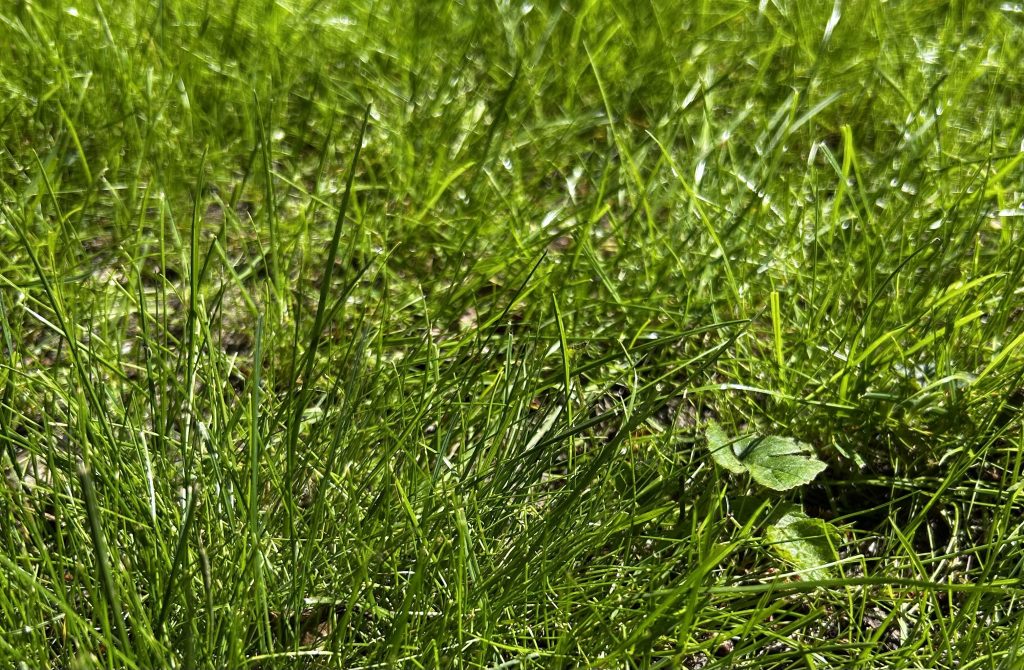
It is interesting to me that the disciples asked Jesus to explain the parable of the landowner who sowed good seed in his field but an enemy came and sowed weeds, but they didn’t ask about the parables of the mustard seed or the woman who mixed yeast with the flour until the whole lot was leavened. Why did the first parable fascinate them?
Could it have been because of their innate and very human need to see evil punished? Did they want to hear more about how the ‘bad weeds’ were going to be punished? Did they have in mind personal judgements about certain people they thought were weeds and were relishing the thought of them being burned up? Would they personally have the satisfaction of separating the weeds from the wheat?
Jesus put an end to that kind of speculation. He told them the weeds would be gathered and burned at the end of the age and the angels would be doing the gathering and separating. It was none of their business! The fire that will burn the weeds is not the fire of eternal damnation; it is the fire of purification because God wills that all his children be wheat and not weeds. And we all know that purification can be painful.
The disciples ignored the other two parables which actually cemented the point Jesus was trying to make. The Kingdom often flourishes like a weed, which the mustard tree was considered to be in those times, and God does not rest until all of the flour is leavened. In other words, it’s not up to us. It’s not up to us to judge what’s a weed and what’s not, it’s not up to us engage in any kind of separation of what we think is a weed and what we think is a righteous plant, and we are not called to worry and fret over the ‘fact’ that the world seems to be heading to hell in a handbasket and that the Church seems to be losing ground.
Mind your own business. Fear not. Just be yeast.
P ♰ C
Connecting Catholics in parishes across Vancouver Island
 P ♰ C
P ♰ C 
Leave a comment